Mutual funds are a common investment option for both beginner and expert investors. It offers numerous benefits, including professional management of funds, diversification of risk, and liquidity.
When investing in mutual funds, you must learn about its liquidation period and the process to redeem the funds. Redeeming mutual funds can be complex due to various factors involved. Without sufficient knowledge, investors may face financial challenges, making it essential to understand the process thoroughly.
Mutual fund redemption is essential to address financial emergencies or to achieve personal financial goals. This blog helps you to understand what mutual fund redemption is and the general procedure.
Understanding Mutual Fund Redemption
Mutual fund redemption entails the selling of mutual fund units from a particular fund. It is the process of liquidating the holdings and converting them into cash. Investors sell their mutual fund units to the respective asset management company (AMC) to receive the returns. Investors can redeem a portion of their investment or the whole corpus of a mutual fund.
If you submit your redemption application with the fund house before 3 pm on trading days, then the same day’s Net Asset Value (NAV) will be considered as the redemption amount. If you submit the request after 3 pm, you will get the NAV the next day. This redemption plays an important role in managing investment portfolios. It allows investors to manage their holdings based on their financial performance.
Different Types of Mutual Funds Redemption
The units of a mutual fund can be redeemed in different ways. These are three common ways to redeem the mutual funds:
- Unit-Based Redemption: A unit-based redemption allows you to redeem your desired number of mutual funds units. The redemption amount will depend on the total number of mutual fund units you want to redeem and the current NAV of a mutual fund unit.
- Amount-Based Redemption: With amount-based redemption, you can specify the exact amount you would like to redeem. The system will then automatically calculate and debit the corresponding number of units based on the current Net Asset Value (NAV), ensuring you receive your desired amount.
- Redeem All: You can redeem your total investments in mutual funds in this type of redemption.
- Systematic Withdrawal Plan: This process allows you to redeem a fixed amount of money or units from your mutual fund at regular intervals, providing a steady and predictable income stream. This convenient option helps you withdraw a specific amount regularly, ensuring a consistent flow of funds.
Difference Between Mutual Fund Redemption and Stock Selling
Although mutual fund redemption and stock selling may seem similar, they are fundamentally different processes.
When redeeming mutual funds, the mutual fund house itself acts as the buyer, purchasing the units from you at the current NAV. The transaction is typically processed, and the funds are credited to your account within 3 to 4 business days.
On the other hand, selling stocks operates differently. Stocks are sold in the open market, where individual buyers and sellers agree upon a price. The sale occurs when a buyer is willing to purchase the shares at the market price, which can fluctuate based on demand and supply dynamics.
When Should You Redeem Mutual Funds?
You should not redeem your mutual fund unit without any proper reason. Below are some of the reasons for which you can redeem a mutual fund:
- Completing Financial Goals: You can go for mutual fund redemption after you have achieved your financial goals. If you have been investing for a long period and have reached your target amount, you have the option to either redeem the mutual fund or continue investing. Redeeming is often the choice after the predetermined investment tenure has ended and you have achieved the desired corpus.
- Poor Performance: Consider redeeming your mutual fund if it has continuously underperformed the benchmark for a specific period. Redeeming your mutual fund can be a better option in this situation because this can negatively impact your financial objectives.
Review the performance of your investments and assess whether switching to a better-performing fund might help you achieve your goals more effectively. - Financial Emergencies: A financial emergency is a situation where you need access to funds quickly. These funds can be used to handle various emergencies, including medical emergencies. If you have invested in liquid funds, these can be redeemed promptly to provide immediate liquidity, helping you navigate such emergencies.
- Market Volatility: Some investors choose to redeem their mutual funds during periods of market downturns, aiming to protect themselves from potential losses. Although it is a risky strategy for long-term investors, this approach can help you avoid short-term fluctuations.
Tax Implications of Mutual Fund Redemption
The gains and profits associated with the withdrawal of mutual funds are taxable. The following details show tax implications in mutual fund redemption:
- A short-term capital gain (STCG) tax is applicable for the redemption process if the investment tenure is less than one year. 20% of STCG is applied in this case.
- If you make a profit of more than ₹1.25 lakh, long-term capital gain (LTCG) tax is applied. You have to pay a 12.5% flat rate if your investment tenure exceeds one year.
- For debt-based mutual funds, tax is charged based on the investor’s tax slab rate.
Charges Applicable While Redeeming Mutual Fund
If you have decided to redeem your mutual funds, then you must be aware of all the charges associated with mutual fund redemption. Below are two of the common charges that investors pay while redeeming the mutual funds:
- Exit Load: An exit load is a charge that investors pay to the AMCs during withdrawal from a mutual fund scheme. The reason behind imposing this charge is to retain the customers for a minimum period and dissuade them from exiting the scheme. Once you exit from a fund before the particular tenure, you have to pay a certain percentage of the withdrawn amount as exit load.
You should remember that different mutual fund schemes impose different fees as an exit load. Also, some mutual fund schemes do not impose any exit load on investors. - Expense Ratio: While it is not charged when redeeming the funds, the expense ratio is deducted from the total value of the investment. It is a fee paid to the AMC for managing and operating a mutual fund scheme.
This charge includes sales and marketing expenses, distribution fees, administration fees, and fund manager’s charges.
Steps for Mutual Fund Redemption Online
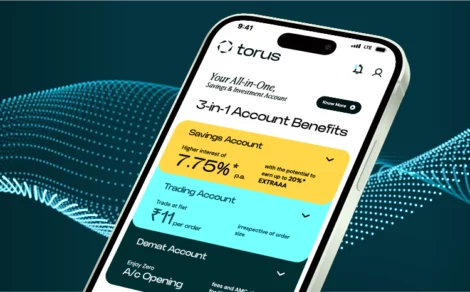
You can use brokerage platforms like Torus Digital to invest and redeem funds. Torus Digital offers a variety of mutual fund schemes starting with just ₹100. Follow these simple steps to redeem mutual funds online using the Torus Digital app:
- Step 1: Open the Torus Digital application and navigate to the ‘Mutual Funds’ section.
- Step 2: Select your mutual fund scheme and choose the number of units or specific amount you want to redeem.
- Step 3: Enter your TPIN to authorise the transaction.
- Step 4: The amount will be deposited in your account once your mutual fund transaction is completed. You can also receive the amount in your demat-linked bank account.
Steps for Mutual Fund Redemption Offline
Investors also have the option to withdraw amounts from their mutual funds scheme offline. Follow the below instructions to redeem the mutual funds physically:
- Step 1: Collect or download a mutual fund redemption request form from your AMC. Enter all the necessary details and the number of units you want to redeem from the scheme.
- Step 2: After filling in the details, sign the form and submit it to the AMC or the designated Registrar’s office
- Step 3: You will receive the proceeds from the redemption in your registered bank account within a few business days.
How Much Time Will It Take to Receive Your Mutual Fund Amount?
The redemption time for mutual funds may vary from fund to fund.
- If you have invested in debt funds, then you will receive the amount after two to three days of the redemption.
- If you have selected any liquid fund for your investment, then it will take a maximum of two days for the amount to be credited to your bank account.
- However, for some equity-based mutual funds, the mutual fund redemption time can take up to three to four working days.
Things to Remember While Redeeming Mutual Funds
The process of redeeming mutual funds is not as easy as it looks. Just like you evaluate a lot of things before choosing a mutual fund for your investment, you must do the same for the redemption process. Follow the below steps to avoid mistakes in the redemption procedure:
- Before redeeming your mutual fund units, ensure that you are fully aware of your financial needs and obligations. This helps you to realise whether it is good for you to redeem those funds.
- Avoid redeeming the funds just because you have seen enough returns. Ensure that you have a valid reason for doing so, such as funding an important life event (e.g., education, a vacation) or addressing a financial emergency (e.g., medical expenses). A well-defined purpose will guide your decision.
- In case you are experiencing a bearish trend in the market, then avoid exiting the mutual fund. Exiting during a downturn may prevent you from benefiting when the market eventually recovers, potentially limiting your long-term gains.
- Before redeeming your mutual funds, familiarise yourself with the current Net Asset Value (NAV) of the fund, as this will determine the redemption amount.
- Understand the tax implications of your redemption and any applicable exit load charges.
Final Thoughts
Understanding mutual fund redemption meaning is necessary if you want to invest in a mutual fund. When redeeming mutual funds, investors should be aware of charges such as the exit load and expense ratio, which can affect their returns. The mutual fund redemption process can be done using various methods such as unit-based redemption, amount-based redemption, or SWP.
Investors can sell their mutual fund units both online and offline. For a seamless and efficient investment experience, consider using the Torus Digital application.
With Torus Digital, you can access a wide range of mutual fund schemes starting from just ₹100 and enjoy numerous benefits for managing your investments online.