For decades, investors relied on physical share certificates to verify ownership. However, with the digitalisation of stock trading, transitioning to a Demat account has become essential. The conversion of physical shares to Demat format simplifies trading and enhances security features.
This guide provides a step-by-step process for converting physical shares to a Demat account, along with a comparison of dematerialisation vs. rematerialisation and their respective benefits. Keep reading to learn more!
Transferring Physical Shares to a Demat Account
Shifting physical shares from paper certificates to Demat format requires electronic digitisation and secure digital storage. Indeed, knowing how to convert physical shares to demat accounts protects investors from various risks which arise through physical documentation. Depository Participants function as transfer intermediaries to manage smooth and operational processes between investors.
The framework for this conversion operates under the regulations of NSDL (National Securities Depository Limited) and CDSL (Central Depository Services Limited) to offer transparent and secure processes to investors. Furthermore, investors obtain better convenience along with quicker stock exchange transactions after electronic transfers are complete because they can buy, sell, or hold their shares digitally.
Understanding Physical Shares
Before the advent of digital technology, companies issued physical share certificates as tangible proof of stock ownership. These certificates included vital information about shareholders, such as their names, the number of shares they owned, and a unique folio number. Additionally, each certificate displayed the company’s signature and official seal.
While physical share documentation was legally valid, it posed significant challenges, including the risk of theft, loss, damage, and forgery. As a result, the process of handling and transferring these certificates required extensive documentation and manual verification, which often caused delays in transactions.
Understanding Demat Account
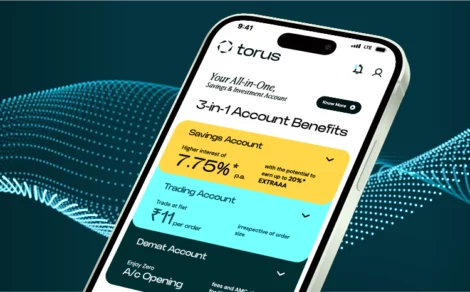
A Demat account is an electronic facility that enables investors to conduct transactions of shares in digital form. This account serves as a necessity for stock trading, bond purchasing, mutual fund investment, and exchange-traded fund (ETF) acquisition. Moreover, customers need to sign up for a demat account from a Depositary Participant (DP) such as Torus Group to create a bridge between the depository and investors.
Reasons to Convert Physical Shares to a Demat Account
The conversion from physical share certificates to demat accounts provides investors with multiple benefits that simplify their investment process. Here are the reasons to convert physical shares to a demat account:
-
Enhanced Security
Physical certificates face various security risks such as theft, damage, and forgery problems. Whereas, demat accounts use encrypted digital storage which relies on authentication processes for security.
-
Seamless Transactions
This electronic payment system facilitates quick and seamless transactions at lower costs compared to traditional methods. It enhances speed in market trading and corporate operations such as dividend distribution and bonus payments.
-
Elimination of Paperwork
This eliminates the handling of bulky paper certificates. Investments can be handled without complications since electronic records keep track of purchase history and transaction details.
-
Faster Settlement Process
The T+2 (transaction date + two days) settlement method provides demat account holders with accelerated liquidity while decreasing market risks.
-
Easy Portfolio Management
A Demat account consolidates all investments on one platform, allowing investors to monitor and manage their securities including stocks, bonds, ETFs, mutual funds etc. better.
Steps to Convert Shares into Demat Form
A simple process can be followed regarding how to convert physical shares into demat accounts:
-
Step 1: Open a Demat Account
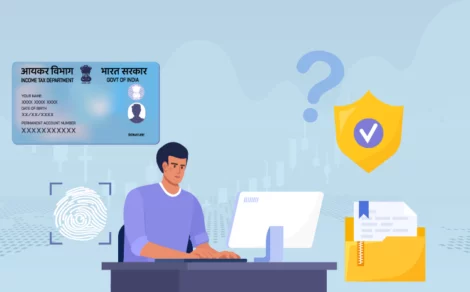
Select a Depository Participant such as Torus Digital, which is registered either with NSDL or CDSL. Subsequently, you need to present your PAN card and Aadhaar card along with bank documents and passport pictures as KYC submission. You will receive a unique Demat Account Number (DP ID) once account opening formalities are completed.
-
Step 2: Obtain and Fill the Dematerialisation Request Form (DRF)
The second step requires you to complete the Dematerialisation Request Form (DRF) which the DP will provide. After this, insert the critical information correctly into the form including Folio Number, ISIN (International Securities Identification Number) and share details.
-
Step 3: Submit Physical Share Certificates
Place the authentic physical share certificates within the DRF. Every share certificate must remain intact with no alterations or damage to it.
-
Step 4: Verification by the Depository Participant
The Depository Participant inspects and verifies these entries and transmits the request to the Registrar and Transfer Agent (RTA).
-
Step 5: Approval and Conversion to Demat Form
The RTA approves the request before the shares get converted to electronic format. Subsequently, your demat account will receive share credits within 15-30 days.
Benefits of Dematerialising Physical Shares
Investors with physical share certificates should transfer their investments to a demat account for a more convenient and hassle-free investment experience. Here are some benefits of dematerialising physical shares:
- No Risk of Loss or Theft: Electronic shares maintained securely in Demat accounts provide complete protection against risks of damage or theft.
- No Stamp Duty on Transfer: Demat transactions do not need stamp duty payments because transfers in this system remain duty-free.
- Faster and Smoother Transactions: Electronic trading for shares reduces settlement time and accelerates transfer processes.
- Access to Online Trading: Investors with demat accounts can engage in online trading seamlessly using digital platforms such as Trus Digital.
- Portfolio Consolidation: Single-account solutions enable users to handle multiple investments efficiently.
Dematerialisation vs. Re-materialisation: Key Differences
The key differences between dematerialisation and re-materialisation are given below:
| Feature | Dematerialisation | Re-materialisation |
| Meaning | Converting physical shares to electronic form | Converting electronic shares back to physical form |
| Process | Initiated through DRF submission | Initiated through Re-materialisation Request Form (RRF) |
| Storage | Shares stored in the Demat account | Physical share certificates reissued |
| Trading | Shares can be traded electronically | Trading requires a manual transfer process |
| Security | No risk of theft, loss, or forgery | Prone to loss, theft, and forgery |
Final Thoughts
In today’s digital era, modern investors must complete the conversion of their physical shares into a demat account system. Unquestionably, owning electronic shares offers investors greater safety and more convenient access to trading options. However, ensuring a smooth transition requires a comprehensive understanding of how to convert physical shares into demat form process
For expert guidance, Torus Digital offers hassle-free Demat account services, ensuring a secure and efficient way to manage your investments.
What are you waiting for? Trade seamlessly and hassle-free with Torus Digital!