Making investments in stocks, mutual funds, and other securities has become convenient with the dematerialisation of shares. Before the arrival of the depository system in India, investors had to handle certificates of physical shares. Today, they can simply fill out a DRF form to dematerialise physical certificates of shares.
The DRF full form is a dematerialisation or demat request form, an application used by investors to transfer physical shares in electronic form. Filling out this form reduces the usage of physical certificates.
This blog guides investors to know every aspect of a demat application form and how to fill out a DRF.
What is Demat Request Form (DRF)?
Since you now know the full form of DRF, let us learn what the demat request form is. A Demat Request Form (DRF) or a dematerialisation request form is a document that is necessary for dematerialising physical securities. Individuals utilise this form to convert their certificates of physical shares into electronic (or dematerialised) forms.
This keeps your investments secure while keeping them in your demat account with a depository participant. A demat request form has a significant impact on how investors manage their securities. In addition, it ensures security and transparency for investors.
Significance of Dematerialisation
Understanding the importance of dematerialisation is crucial to keeping shared certificates secure. Dematerialisation ensures flexibility, enhances security, and offers convenience to investors.
Since holding share certificates in physical format includes risks like forgeries, loss and damage to the documents, dematerialisation becomes important. It also minimises consequent delays in certificate transfers. NRIs do not have to use stamp duty while transferring securities in demat accounts.
What are the Different Types of Demat Request Forms?
While filling out a DRF form, investors need to understand the use of different DRFs in different scenarios. Below are the descriptions of the three types of DRFs:
Standard Demat Request Form
This DRF is mostly used to dematerialise physical securities. Investors can use this form to transfer their bonds, physical share certificates, and other important securities to electronic forms. After dematerialisation, the securities will appear in an investor’s demat account along with an appropriate depository participant (DP).
Transposition-cum-Dematerialisation
Investors use this transposition-cum-demat form to change the order of names in the ownership of securities before dematerialisation. NRIs can also use this demat request form to correct the details or change the order of names.
Transmission-cum-Dematerialisation
An investor can also use this category of dematerialisation form in case a security holder has died. As the surviving joint holder, they can transfer the securities to their demat account using this form.
A surviving holder should provide the depository participant details and needed documents, like a death certificate, along with this form. After this process, the holder can move securities to his or her demat account based on the form’s specified guidelines.
Things to Include in a Demat Request Form
Before jumping into the steps to fill out a DRF, you need to go through the prerequisites that will help you fill out the form. Here are the components of a demat request form:
- Client ID
- Contact number
- Date of filing the form
- Account details name
- Company name
- Quantity and types of security
- Face value
- ISIN Number
- Certificate Number
- Distinctive Number
- Folio details
Step-by-Step Procedure to Fill Dematerialisation Request Form
Completing a DRF in the right manner ensures an error-free transfer process. The below steps help to understand how to fill demat request form:
- Step 1: Enter your mobile number and mention the date on which you want to send a demat request. This will help a depository participant contact you to answer your queries or updates.
- Step 2: Enter your client ID, which can be found in your profile section after logging in to your demat account.
- Step 3: Enter the account name in the same order as the one listed in your demat account, which is registered in the account details.
- Step 4: Provide the dematerialised certificate details. These include the name of the company, quantity, types of securities, face value, and ISIN. You can find these details in the physical share certificates.
- Step 5: Put a tick-mark beside the ‘Locked-in Securities’ option if your shares are under a lock-in period; otherwise, select ‘Free Securities’.
- Step 6: Enter your certificate number from the share certificate. If there is a sequence, then provide ‘From’ and ‘To’ numbers. Enter the details in each row separately if they are not in that sequence.
- Step 7: Now, put the distinctive number similar to the one you entered for the certificate number. This distinctive number is a unique identifier of certificate share.
- Step 8: Mention the details of the folio if your securities are registered with particular folio numbers which you want to dematerialise.
- Step 9: Account holders should sign a DRF form at the designated place in order to authenticate the provided information. You need to put the same signature as the one registered with your DP.
- Step 10: Make sure you carefully read and become aware of the declaration section of your demat request form. You can confirm the accuracy and transparency of the provided information by signing this declaration. By signing this declaration, you are promising to adhere to the regulations that control the process of dematerialisation.
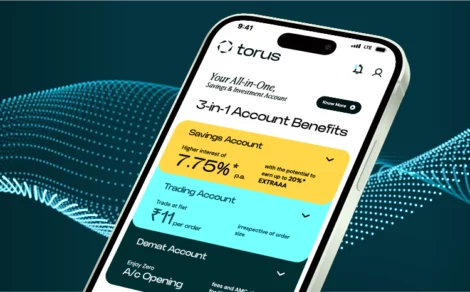
- Step 11: You must provide the details, such as security type, ISIN, and total number of shares in the ISR-2 form. This helps ensure a smooth signature verification process for securities held by bankers. You can easily open a demat account with Torus Digital and enjoy benefits like zero A/C opening charges and zero annual maintenance fees. You can also file dematerialisation and rematerialisation requests at nominal costs.
Final Thoughts
Understanding the details of a demat request form lets you seamlessly transfer physical share certificates into the electronic form. Since holding share certificates in physical format includes risks like forgeries and loss of important share certificates, you should dematerialise your physical certificates. It also minimises consequent delays in certificate transfers.
Do you want to open a demat account to boost your investment journey? Open a free demat account with Torus Digital to avail better investment options and experience the lowest brokerage charges.
You can simplify investing by downloading our Demat Account App for secure and seamless trading.