Start by mastering basic trading terminology. Use demo accounts, attend webinars, and read investor education blogs provided by platforms like Torus Digital. Practice regularly and keep learning.
Trading in financial markets opens a world full of opportunities. For many first-time investors, the idea of buying and selling shares can feel both exciting and unfamiliar. One of the best ways to start strong is by understanding the trading terminology that traders use every day.
If you are new to trading, whether in stocks, commodities, currencies, or indices—learning these key trading terminologies will help you feel more confident and in control. This trading terminologies guide explains essential trading terms, types of trade terms in simple language, designed especially for Indian investors looking to explore both domestic and international markets.
1. Assets
Assets are what you trade in the market. These include stocks, commodities like gold or oil, currencies, indices, and bonds. Each asset offers unique opportunities. For example, stocks give you ownership in companies, while commodities reflect global prices. Knowing which asset suits your goal is a great starting point for investing wisely.
2. Bid and Ask Price
The bid price is what buyers are willing to pay. The ask price is the minimum amount a seller wants. The gap between these prices is called the spread. It tells you how active a market is. A smaller spread often means better pricing and more chances to trade smoothly.
3. Spread
The spread is the small cost you pay while entering or exiting a trade. In high-volume markets, spreads are narrow, which means lower costs and faster trading. It’s a key factor for active traders and beginners who want to keep expenses low.
4. Market Order
A market order tells your broker to buy or sell an asset right away at the best price available. It’s useful when speed matters more than price. This helps ensure your trade gets executed instantly—ideal for fast-moving markets.
5. Limit Order
A limit order lets you set your own price. The trade only happens when the market reaches your chosen level. The trade only goes through when the market reaches your set level. This trading terminology is important for those who prefer control and a strategy-led approach.
6. Stop Loss Order
A stop loss order helps protect your capital. It automatically closes your trade if the price goes against you. By using it, traders can limit their losses and stay disciplined, even in unpredictable markets. This is one of the most essential trading terminologies for risk management.
7. Take Profit Order
A take profit order lets you lock in gains. Once your trade reaches a set target, it closes automatically. This tool helps you enjoy profits without constantly watching the market, allowing for peace of mind.
8. Leverage
Leverage means you can control a large trade using a smaller amount of money. For example, with 10:1 leverage, you can trade ₹10,000 using just ₹1,000. This tool increases your trading power, but it also increases risk. Use leverage wisely and with a clear strategy.
9. Margin
Margin is the money you must keep in your account to hold a leveraged position. It works like a security deposit. Understanding margin is key for smart risk management and planning your trades efficiently.
10. Volatility
Volatility shows how much an asset’s price moves. High volatility creates more chances for profit—but also higher risk. For traders, volatility can be exciting, as it brings more market action and opportunity.
11. Bull Market
A bull market means rising prices and strong investor confidence. People are generally optimistic during this phase. It’s a good time for long-term investors looking to grow their wealth.
12. Bear Market
A bear market means prices are falling. Though it may seem negative, many smart investors use this time to buy good assets at lower prices, preparing for future growth.
13. Trading Volume
Volume is the number of shares or contracts traded during a specific time. High volume means many people are interested, which often brings better liquidity and smoother execution for your trades.
14. Broker
A broker is your connection to the market. They help you buy and sell assets. Trusted platforms like Torus Digital provide reliable trading access, real-time data, user-friendly apps, and helpful support to make your experience smooth and secure.
15. Exchange
An exchange is where trading happens. In India, the major ones are the National Stock Exchange (NSE) and the Bombay Stock Exchange (BSE). Globally, you have exchanges like NASDAQ and the New York Stock Exchange. These are secure and regulated platforms.
16. Derivatives
Derivatives are contracts based on the value of other assets like stocks or commodities. Popular types include futures and options. Traders use derivatives to manage risk or benefit from price changes without owning the actual asset.
17. Yield
Yield is the return you earn from an investment. For example, if you invest ₹10,000 in a bond and receive ₹500 annually, the yield is 5%. Yield helps you measure how rewarding an investment can be.
Final Thoughts
Understanding trading terminology is more than academic—it empowers you to participate in markets with clarity and confidence. Every successful investor once started by learning these fundamental trading terminologies, step by step.
Whether you want to build long-term wealth or explore short-term market moves, knowing these terms will help you develop a strong base. With intuitive and secure platforms like Torus Digital, Indian investors have access to not just markets, but also the right tools and guidance to succeed.
Frequently Asked Questions
Trading terminology refers to the words and phrases used in markets to describe trading actions, instruments, and market trends. Understanding this helps you make smart choices and communicate clearly.
Yes, many successful traders are self-taught. With discipline, regular practice, and the right learning tools, you can grow steadily. It’s a journey of continuous learning and self-improvement.
For beginners, stocks and ETFs are ideal. They are easier to understand, more transparent, and regulated. Start simple and gradually move to advanced instruments like futures and options once you gain confidence.
No, day trading relies on analysis, planning, and discipline—not luck. Unlike gambling, it involves risk control and market study. With the right approach, day trading can be a legitimate strategy.
Related Reads

What is Slippage in Trading? Meaning, Causes & Impact Explained
In trading, timing and precision often define success. However, even when a trader believes...
- 7 mins
- 01.Jul.2025


What is an Option Contract?
Imagine having the flexibility to buy or sell shares at a fixed price, no...
- 7 mins
- 01.Jul.2025
-

Types of Financial Instruments You Should Know Before Investing
Before investing funds in any market, it is essential to understand what financial instruments...
- 7 mins
- 01.Jul.2025
-

What are Contracts for Difference (CFD)?
Contracts for Difference, commonly known as CFDs, are financial instruments that allow traders to...
- 9 mins
- 01.Jul.2025
-
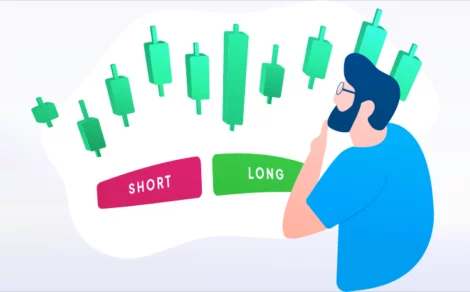
Difference between Short Position & Long Position
Understanding the concepts of short and long positions is essential for anyone interested in...
- 8 mins
- 01.Jul.2025
-

The Dangers of Revenge Trading: What You Need to Know
You lose a trade—a big one. Your stomach sinks. Your heart starts racing. And...
- 6 mins
- 03.Jun.2025
-
Disclaimer: The content provided in this blog is for informational purposes only and does not constitute financial advice or recommendations. The content may be subject to change and revision. Readers are encouraged to conduct their own research and consult with a qualified financial advisor before making any investment decisions. Torus Digital and its affiliates takes no guarantees whatsoever as to its completeness, correctness or accuracy since these details may be acquired from third party and we will not be responsible for any direct or indirect losses or liabilities incurred from actions taken based on the information provided herein. For more details, please visit www.torusdigital.com.

Latest News
 34604
34604 IC Electricals IPO Opens: Key Details Investors Shouldn’t Miss
India's railway infrastructure is undergoing a significant transformation, supported by the Government's continued investment...
- 6 mins
- 3.Jul.2026
-
 34596
34596 Knack Packaging IPO Opens: Key Details Investors Shouldn’t Miss
India's packaging industry continues to witness strong growth, driven by rising demand from food...
- 6 mins
- 1.Jul.2026
-
34525 Teja Engineering IPO Opens: Key Details Investors Shouldn’t Miss
India's energy infrastructure sector continues to witness strong growth, supported by increasing investments in...
- 6 mins
- 30.Jun.2026
-
34484 Vinit Mobile IPO Opens: Key Details Investors Shouldn’t Miss
India's smartphone market continues to be one of the largest and fastest growing globally,...
- 6 mins
- 30.Jun.2026
-